

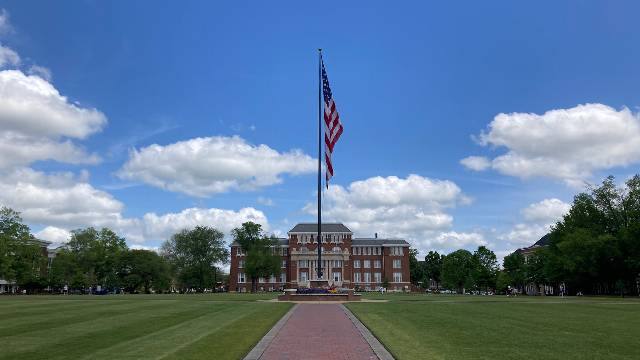
 Agricultural Autonomy Institute joins Harper Adams University's 125th anniversary celebrations
A leading American expert in agricultural autonomy has paid tribute to Harper Adams University as it marks its 125th anniversary.Dr Alex Tho …
Posted 22 October
Why is Zoology important?
6 November 2019

Zoology - what is it and why is it so important?
The study of zoology focuses on all kinds of animals. Whether big or small, zoology looks into their biology; the how and why behind their environments; as well as ways to sustain their lives alongside humankind. Through the study of zoology, you can gain an understanding of the natural world and how we can help with conservation. It also offers the opportunity to consider ways to face global challenges such as climate change and food security, trying to find solutions to help both animals and humans alike.
“In first year, you share a lot of modules with other courses, especially within zoology itself, but then you branch out into what you enjoy.” - Megan Bond, Applied Zoology
Harper Adams offers a unique approach to studying zoology. Not only do we consider exotic animals but also farm livestock, companion animals and insects. Students can study organisms from their whole form down to their molecular level in labs and out in the field. The diversity of study enables students to find an area that interests them and pursue it, engaging with experienced staff and working with the most recent research. Whether your interest lies in entomology, environmental management or working out in the field applying your knowledge, you can study your passions and take them forward into the wider field.
“Lecturers are always ready to answer questions. If you question an idea, they have an answer, as they are actively researching the subject so you can get involved in the discussion too.” - Keir Flowerdew, Zoology with Entomology
So why is this important? Zoology considers the impact of environmental factors upon different animals and their habitats, developing an appreciation of not only nature, but also of the importance of animals and their environments in sustaining nature as we know it. Through learning about animals at a micro level, we are better equipped to consider the wider picture. In doing so, it is possible to identify the threats - both manmade and natural, occurring in a variety of forms - and challenge them. The more we learn about factors, impacts and cures, the better we will become at protecting animals in the face of changing landscapes.
Our Zoology degrees are deeply rooted in the real world and appreciate the complexity of its structures. Following a career in zoology can lead to careers as a zoologist, zookeeper, ecologist, or conservationist traditionally but, with a few specialisms, can allow access to jobs as reserve wardens and environmental consultancy.
“Always talk to people - academics and students. It’s amazing how much you can learn through common interests.” - Genevieve Kiero Watson, Zoology with Entomology
Ultimately, Zoology can teach you how to make a difference. From essay writing, to labs and out into the field, this is a degree that matters.
Related Posts
Agricultural Autonomy Institute joins Harper Adams University's 125th anniversary celebrations
A leading American expert in agricultural autonomy has paid tribute to Harper Adams University as it marks its 125th anniversary.Dr Alex Tho …
Posted 22 October
 Sky's the limit: Helen joins MP's fundraising parachute jump
A charity skydive by a Harper Adams University Business Development Consultant has helped raise more than £16,000 for a new cancer cen …
Posted 21 October
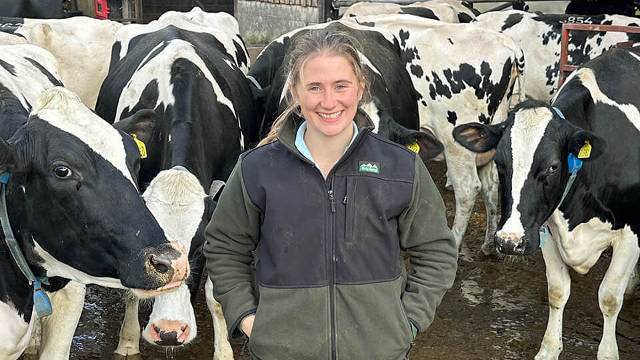 From dairy farm - to farm vet
Growing up on a dairy farm played a huge part in shaping Harriet Brimacombe’s ambition to become a vet. Now, as she prepares to …
Posted 20 October
 Listen: Archers anniversary marked with future of farming discussion on BBC radio
With BBC Radio Four marking the 75th anniversary of the Archers this year, Farming Today has taken the opportunity to look forwards this wee …
Posted 16 October